I was 19 years old and in my first year of university when my life began to feel like it was slipping off course. I was trying to keep studying, trying to stay afloat, but I was struggling more than I could admit. Over time, things escalated, and I was hospitalised twice.
When I came out of hospital the second time, I felt stuck. I didn’t have a clear sense of what comes next after something like that. I knew I couldn’t just pick up where I’d left off — but I also didn’t know what the alternative looked like.
That was when my parents suggested I connect with a youth program run by Flourish Australia at Emu Plains. I didn’t want to go. I resisted the idea. To me, attending support felt like admitting something had gone wrong in a way I couldn’t undo.
But eventually, I agreed to try. That decision became the turning point I couldn’t see at the time.
Walking through the door
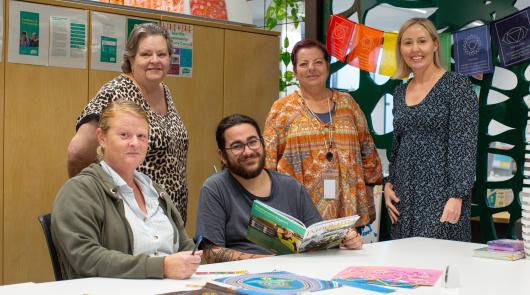
Arriving at the youth service, I didn’t feel fixed or confident overnight. But what I noticed almost immediately was that I wasn’t being treated as a problem to solve. The people supporting me had lived experience of mental health challenges themselves. They understood what it was like to have your plans disrupted, your confidence shaken, your identity questioned.
For the first time since leaving hospital, I felt met where I actually was — not where I was expected to be.
That sense of understanding changed how I saw myself. Instead of feeling like I’d failed, I began to feel like I was rebuilding.
Regaining footing
With that support behind me, I was able to resume my first year of studies. At the time, that felt like a massive achievement. I don’t believe I would have managed it without the encouragement and belief shown to me during that period.
Life didn’t suddenly become easy, but it became manageable.
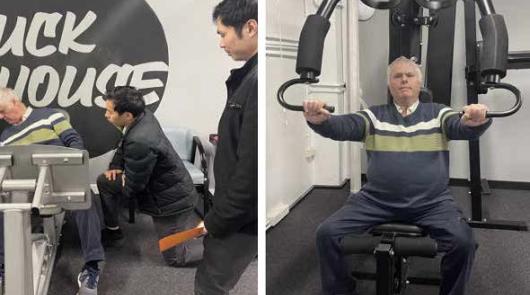
Everyday routines became part of my recovery — cooking, budgeting, grocery shopping together once a week, and going for group walks in the park. These small, ordinary moments helped rebuild structure and confidence. They reminded me that life could be steady again.
It wasn’t about rushing forward. It was about learning how to stand again.
Seeing a new possibility
As time went on, I realised how powerful peer support had been for me. Seeing people draw on their own lived experience — not as something they’d hidden, but as something valuable — shifted how I understood my own story.
For the first time, I began to wonder whether what I’d been through could one day help someone else.
That idea stayed with me long after I moved on from the youth service and into on‑campus accommodation at university.
Building a life shaped by experience
I went on to complete my Bachelor’s in Traditional Chinese Medicine, a degree in International Public Health, and a Diploma in Community Care Services. Alongside my studies, I became increasingly involved in lived experience advocacy and peer work.
Over the years, I’ve taken on a range of peer and consumer roles across local, statewide and global settings. I’ve contributed to committees, worked across community services, and helped design practical tools to make systems easier to navigate.
All of it has been shaped by that early turning point — by what it felt like to need support, to receive it, and to slowly rebuild a sense of purpose.
Recovery as something ongoing
Recovery didn’t stop as my life became fuller. It’s still part of my day‑to‑day reality.
I continue to seek support when I need it. I see a mental health nurse regularly, a psychiatrist, and I stay connected with my family and the people who matter most to me. One of my strongest supports is someone who has stayed in my life through change — proof that relationships can evolve and still hold deep care.
What I’ve learned is that recovery isn’t about independence at all costs. It’s about connection, honesty, and knowing when to reach out.
What I want others to know
If there’s one thing I would say to other young people who are struggling, it’s this: don’t be afraid to accept support.
I didn’t want to attend that youth program. I didn’t think it was for me. But stepping through that door changed my direction completely.
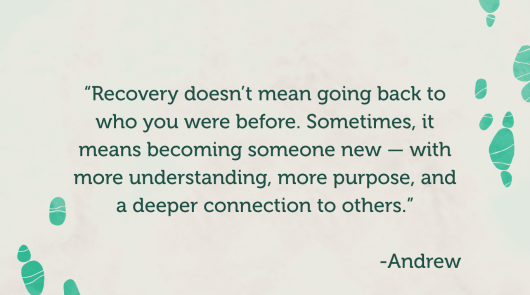
Recovery doesn’t mean going back to who you were before. Sometimes, it means becoming someone new — with more understanding, more purpose, and a deeper connection to others.
And sometimes, that journey begins with a step you don’t want to take — but are very glad you did.
Talk to us today
For more information, contact us on 1300 779 270 or make an enquiry now.