As the weather cools, flu season returns across Australia. While many people recover within a week or two, influenza (the flu) can lead to serious complications—especially for people already facing health challenges, older Australians, children, and those with weakened immune systems.
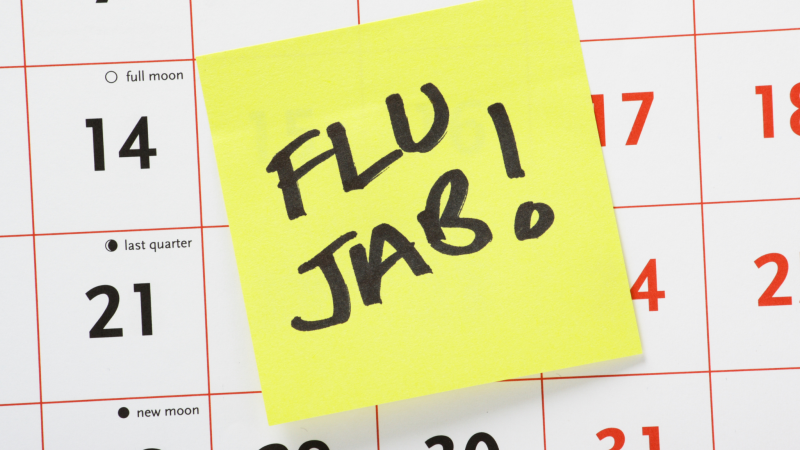
Getting the flu vaccine each year is one of the simplest and most effective ways to protect yourself and your community.
What is the flu?
Influenza is a highly contagious viral infection that affects the respiratory system, including the nose, throat and lungs. It spreads easily through coughs, sneezes and close contact.
Common symptoms include:
- Fever and chills
- Cough and sore throat
- Fatigue and body aches
- Headaches
For some people, the flu can lead to complications such as pneumonia or worsening of existing health conditions.
Why the flu vaccine matters
Flu viruses change every year, which means a new vaccine is developed annually to match the most common circulating strains. This is why it’s important to get vaccinated each year, even if you’ve had the flu vaccine before.
The flu vaccine helps to:
- Reduce your risk of getting the flu
- Lessen the severity of illness if you do get sick
- Lower the spread of influenza in the community
- Protect people who are more vulnerable to serious illness
Vaccination not only protects you—it helps keep workplaces, families and communities safer during flu season.
Who should get vaccinated?
The flu vaccine is recommended for everyone aged six months and over.
It is especially important for:
- People aged 65 and over
- Pregnant women
- Young children
- People living with ongoing health conditions
- Aboriginal and Torres Strait Islander people
- People working in healthcare or community services
Some groups are eligible for a free flu vaccine under the National Immunisation Program.
When to get your flu shot
The best time to get vaccinated is in autumn, before flu season peaks. However, it’s never too late to get your flu shot, as influenza can circulate well into spring.
It usually takes around two weeks after vaccination to build protection.
Simple steps to stay healthy
Alongside vaccination, there are small everyday actions that can help prevent the spread of flu:
- Wash your hands regularly
- Stay home if you’re feeling unwell
- Cover coughs and sneezes
- Avoid close contact with others when sick
Protect yourself and others this season
Flu season can have a significant impact across workplaces and communities, but prevention is within reach. Getting your flu shot is a simple step that makes a real difference—helping you stay well and supporting the wellbeing of others around you.
To learn more or find out where to get vaccinated, speak to your GP, pharmacist, or local health provider.
Talk to us today
For more information, contact us on 1300 779 270 or make an enquiry now.